Blog
 MY.GAMES
Influencing Emotions in Game Design: Theories and Methods
This article explains how emotions shape player experience and why game designers must understand and intentionally craft emotional responses. It outlines practical steps to identify and trigger desired emotions in games, and explores key psychological theories — including Maslow’s hierarchy of needs and Plutchik’s psychoevolutionary model — with examples of how they inform design decisions. It also discusses challenges such as subjective feedback and emotional complexity, offering frameworks to balance emotional impact with engaging gameplay.
 MY.GAMES
Essential Game Designer Duties and Skills Uncovered: Part 2
Part 2 of the Game Designer series explores the practical side of the profession — documentation, reference boards, mood boards, technical skills, narrative design, and managing cross-team workflows. A deep dive into how GDs turn ideas into features.
 MY.GAMES
Essential Game Designer Duties and Skills Uncovered: Part 1
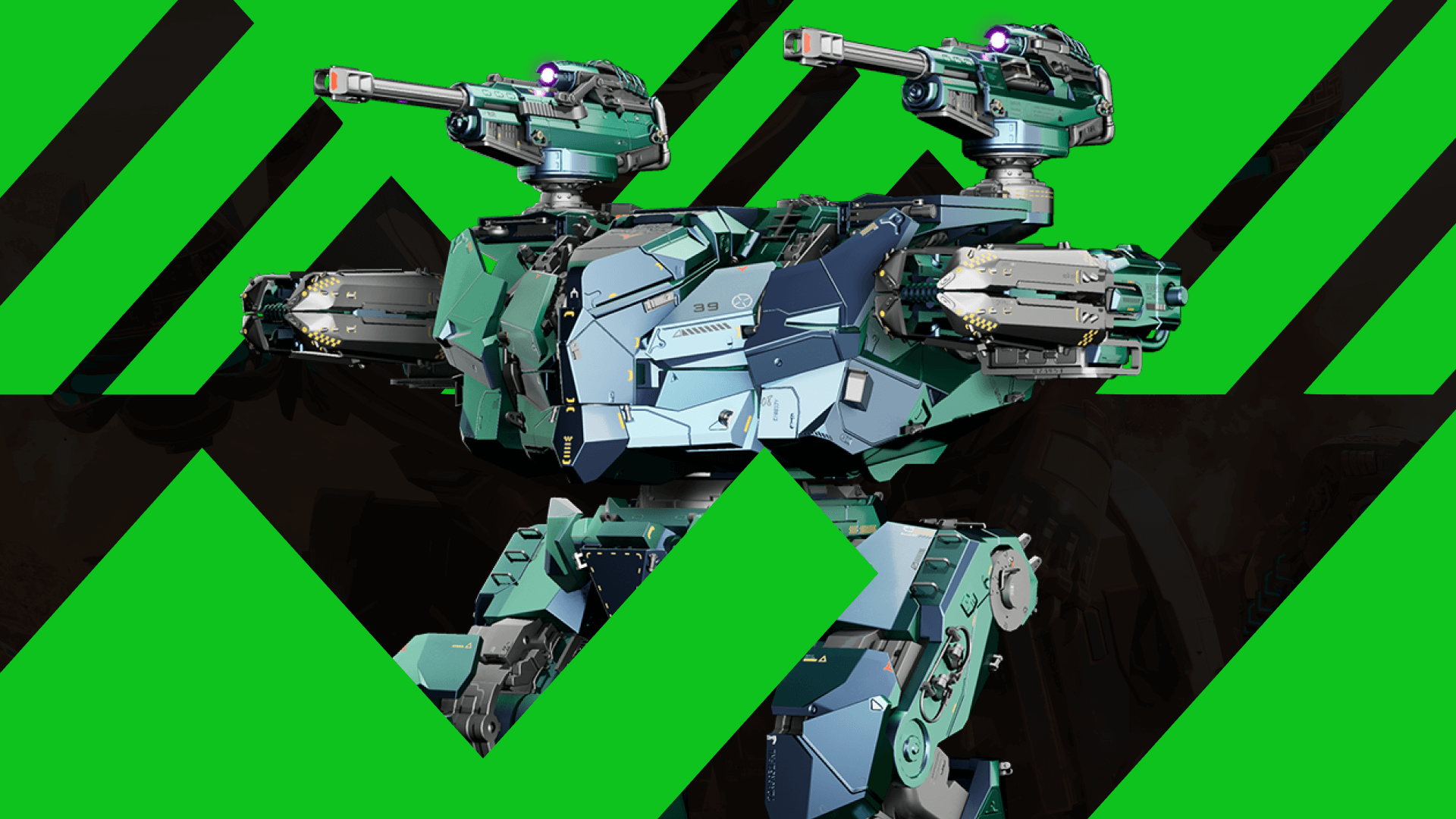
Part 1 of this series breaks down what game designers really do, the core skills they need, and how creativity, brainstorming, and concept work shape the role. Featuring insights from War Robots Game Designer Dmitrii Gelunov of Pixonic, MY.GAMES.
 MY.GAMES
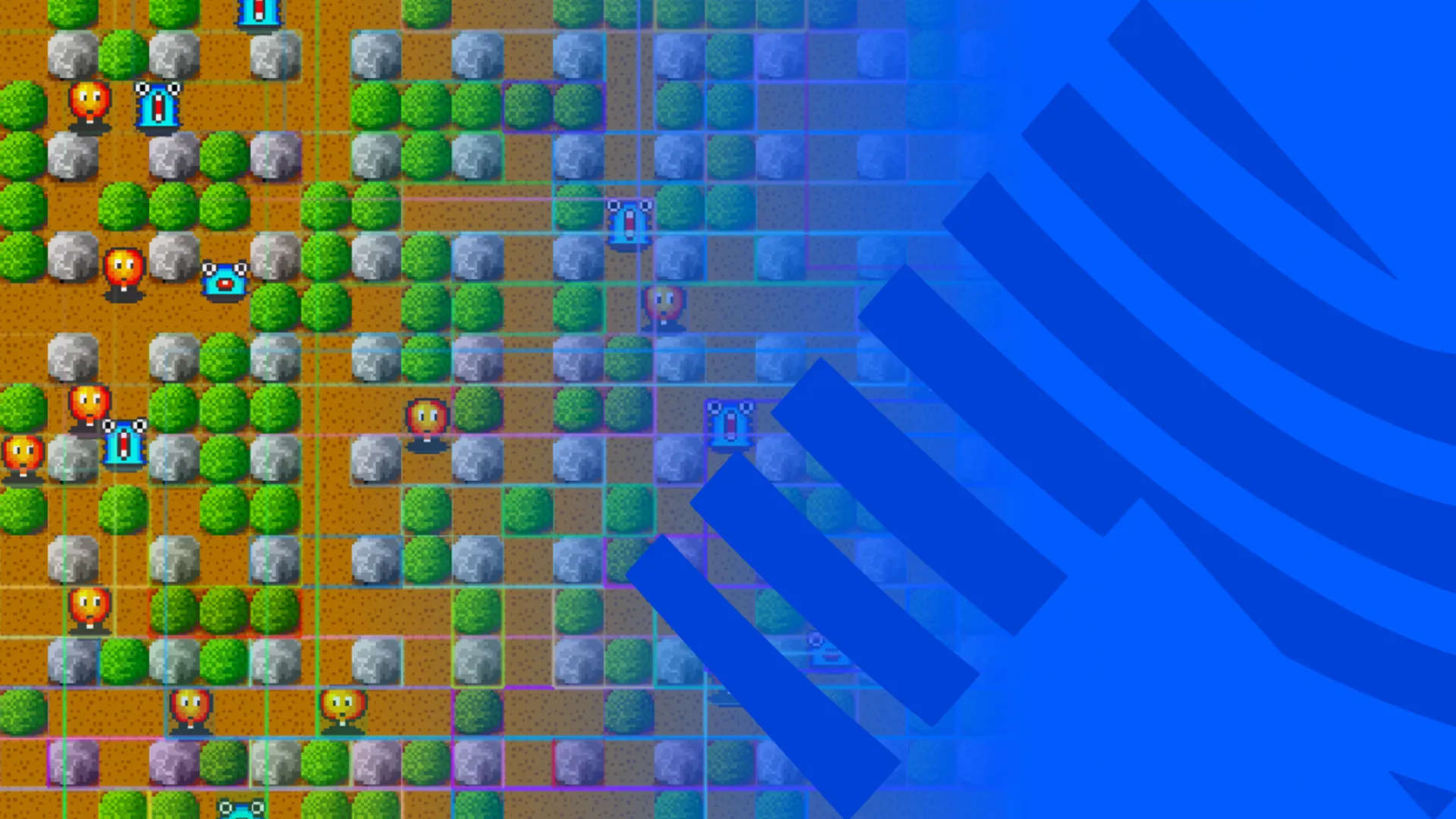
Optimizing R-Tree Inserts in Unity: A Bomberman-Like Example
Improve Unity performance with optimized R-Tree inserts, using a 2D Bomberman-style game as a case study.
 MY.GAMES
Shifting a Highly Loaded Game Project From Photon to Custom Solutions
Discover how MY.GAMES migrated a massively popular multiplayer game from Photon to a tailored backend, optimizing performance and reducing costs.
 MY.GAMES
How to Create Gamedevs Resumes That Turn Recruiters’ Heads
Learn how to craft a standout game developer resume that grabs recruiters' attention and increases your chances of landing your dream job in the gaming industry.

 War Robots
A Quick, Practical Primer on Crafting Memorable Game Music
This article offers hands‑on advice for composing standout game music, drawing on the War Robots experience. It covers workflows, choosing gear, setting musical tone, avoiding audio pitfalls, and making tracks that resonate both in-game and as standalone art.
 MY.GAMES
Offerwalls: A Guide to Everything You Ever Wanted to Know
This in-depth guide explains what offerwalls are, how they impact monetization (ad revenue and UA), how they function under the hood, and provides best practices for game developers and marketers aiming to integrate them effectively.
 War Robots
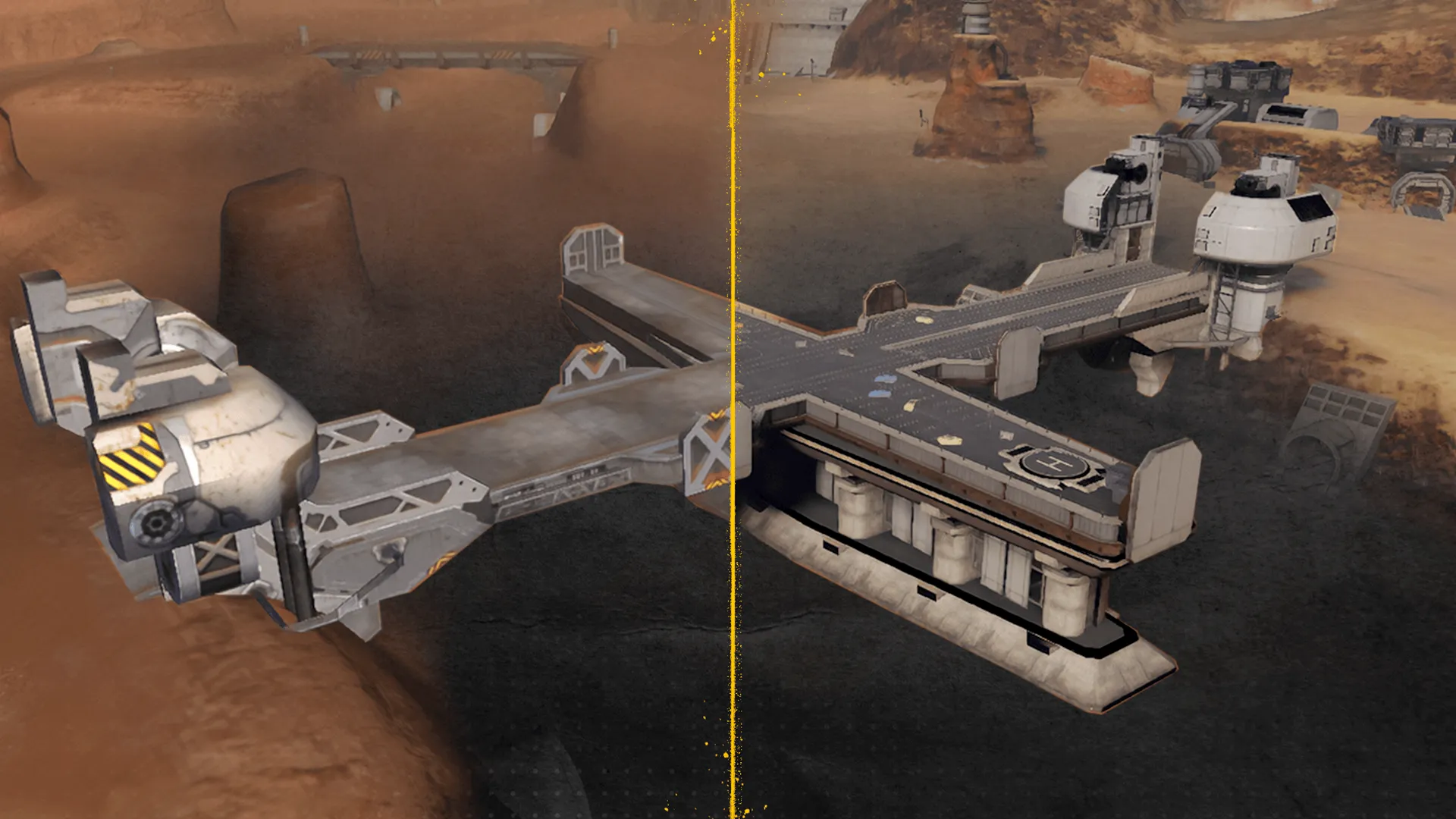
Trim Sheets, Tilemaps and Terrain: How We Remaster Game Maps
This article describes how MY.GAMES revamped War Robots’ maps by overhauling the rendering pipeline, adopting PBR shading, and using trim sheets, tilemaps, and LOD systems to boost visuals without sacrificing performance.
 MY.GAMES
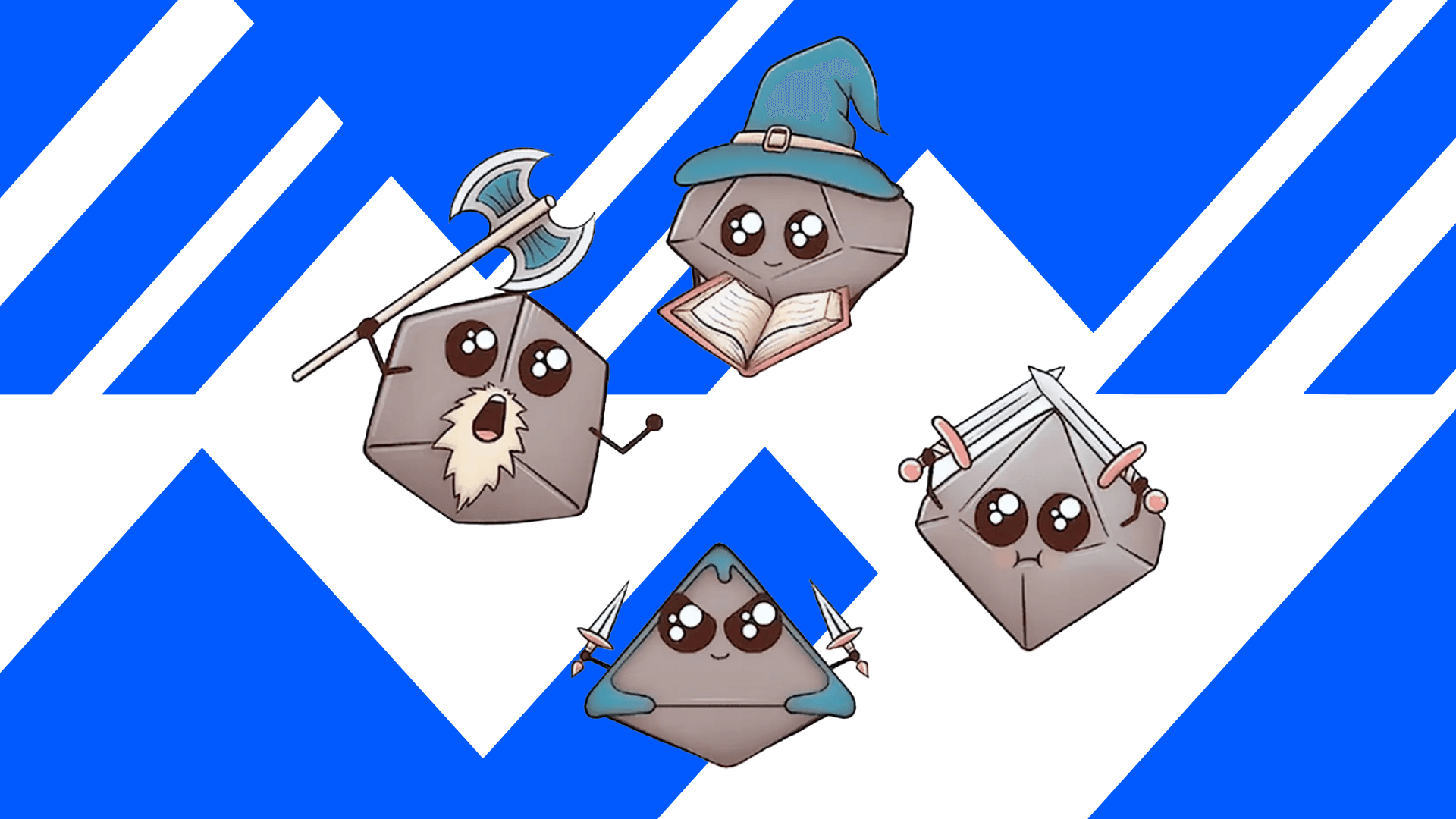
Decomposing Classes and Diversity: Studying D&D & Mario Kart
This article explores how class systems in games like Dungeons & Dragons and Mario Kart handle diversity, mechanics, and design balance, offering insights into effective class decomposition.